

Where can I go stargazing near San Diego?
For truly dark skies, drive to Borrego Springs or Julian, both certified International Dark Sky Communities, or Anza-Borrego Desert State Park. Closer in, the San Diego Astronomy Association hosts free telescope nights at Mission Trails and Balboa Park.
- Darkest town
- Borrego Springs
- Also certified
- Julian
- Next new moon
- Dec. 8
- Closest free telescopes
- Mission Trails
Dark Sky Community since 2009
Dark Sky Community since 2021
Pacific time; then Jan. 7
SDAA, 3rd Friday at dusk
The short version
- Borrego Springs was named the world's second International Dark Sky Community on July 31, 2009, about 88 miles northeast of San Diego.
- Julian earned the same International Dark Sky Community designation in 2021.
- Anza-Borrego Desert State Park became an International Dark Sky Park (Silver tier) in January 2018.
- The darkest nights this winter are around the new moons of Dec. 8, 2026, Jan. 7, 2027 and Feb. 6, 2027 (Pacific time).
- The San Diego Astronomy Association runs telescope nights the third Friday at Mission Trails' West Sycamore entrance and the first Friday at Kumeyaay Lake.
From the coast you'll see the Moon, a few planets and the brightest stars, and that's about it. City light washes out the Milky Way. But San Diego County has something few metro areas can claim: two certified International Dark Sky Communities, Borrego Springs and Julian, plus a state park certified as an International Dark Sky Park, all within about 90 miles of downtown. Here's where to go, with designations checked against DarkSky International, California State Parks and the local dark-sky groups on November 14, 2026.
2009
Borrego Springs certified
World's 2nd Dark Sky Community
2021
Julian certified
88 mi
San Diego to Borrego Springs
Per DarkSky's 2009 release
The dark-sky places, from darkest to closest
| Place | Designation | What to know |
|---|---|---|
| Anza-Borrego Desert State Park | International Dark Sky Park, Silver tier (Jan. 2018) | Very dark over most of the park; small light domes from distant cities on the horizon. Limited cell service, so bring water and food. |
| Borrego Springs | International Dark Sky Community (July 31, 2009) | No stoplights and community lighting standards. Surrounded by the 600,000-acre state park. |
| Julian | International Dark Sky Community (2021) | Closer than Borrego Springs for most of the county, and the same International Dark Sky Community status. |
| Mission Trails Regional Park | None | Not truly dark, but the SDAA brings telescopes here twice a month. |
| Balboa Park | None | Monthly 'Stars in the Park' telescope night by the Fleet Science Center; good for the Moon and planets. |
Anza-Borrego Desert State Park
- Designation
- International Dark Sky Park, Silver tier (Jan. 2018)
- What to know
- Very dark over most of the park; small light domes from distant cities on the horizon. Limited cell service, so bring water and food.
Borrego Springs
- Designation
- International Dark Sky Community (July 31, 2009)
- What to know
- No stoplights and community lighting standards. Surrounded by the 600,000-acre state park.
Julian
- Designation
- International Dark Sky Community (2021)
- What to know
- Closer than Borrego Springs for most of the county, and the same International Dark Sky Community status.
Mission Trails Regional Park
- Designation
- None
- What to know
- Not truly dark, but the SDAA brings telescopes here twice a month.
Balboa Park
- Designation
- None
- What to know
- Monthly 'Stars in the Park' telescope night by the Fleet Science Center; good for the Moon and planets.
DarkSky International, California State Parks (Jan. 19, 2018 release) and the Borrego Springs Dark Sky Coalition, checked November 14, 2026.
When to go: the moon matters more than the season
The Borrego Springs Dark Sky Coalition's advice is simple: aim for a new or thin crescent moon, stay out after about 9 p.m., and give your eyes 20 to 30 minutes to adjust. A red flashlight keeps your night vision; a reclining chair or blanket saves your neck.
| New moon (darkest) | Full moon (brightest; skip) |
|---|---|
| Sun., Nov. 8, 2026 | Tue., Nov. 24, 2026 |
| Tue., Dec. 8, 2026 | Wed., Dec. 23, 2026 |
| Thu., Jan. 7, 2027 | Fri., Jan. 22, 2027 |
| Sat., Feb. 6, 2027 | Sat., Feb. 20, 2027 |
Sun., Nov. 8, 2026
Tue., Nov. 24, 2026
Tue., Dec. 8, 2026
Wed., Dec. 23, 2026
Thu., Jan. 7, 2027
Fri., Jan. 22, 2027
Sat., Feb. 6, 2027
Sat., Feb. 20, 2027
Dates converted to Pacific time from moon-phase calculations (U.S. Naval Observatory tables; PyEphem). A few nights either side of a new moon are nearly as good.
Free telescope nights closer to home
The San Diego Astronomy Association (SDAA) runs recurring public star parties where members set up telescopes and let you look through them. The schedule below is the SDAA's standing pattern; outdoor events are canceled for rain or clouds, and the club asks you to confirm on its calendar before driving out.
| Event | When | Where | Next dates* |
|---|---|---|---|
| Stars in the Park | 1st Wednesday, at dusk | West of the Fleet Science Center on the Prado, Balboa Park | Dec. 2, Jan. 6 |
| Stars at Mission Trails | 1st Friday, at sunset | Kumeyaay Lake Campground day-use lot (Santee side) | Dec. 4, Feb. 5 |
| Oak Oasis Star Party | 2nd Saturday, about dusk, with a twilight ranger hike | Oak Oasis Preserve trailhead parking lot | Nov. 14, Dec. 12 |
| Stars at West Sycamore | 3rd Friday, at sunset | East end of Stonebridge Parkway, Scripps Ranch | Nov. 20, Dec. 18 |
| Tierra del Sol public night | Once a month, at sunset | SDAA's dark-sky site in the Back Country | See SDAA calendar |
Stars in the Park
- When
- 1st Wednesday, at dusk
- Where
- West of the Fleet Science Center on the Prado, Balboa Park
- Next dates*
- Dec. 2, Jan. 6
Stars at Mission Trails
- When
- 1st Friday, at sunset
- Where
- Kumeyaay Lake Campground day-use lot (Santee side)
- Next dates*
- Dec. 4, Feb. 5
Oak Oasis Star Party
- When
- 2nd Saturday, about dusk, with a twilight ranger hike
- Where
- Oak Oasis Preserve trailhead parking lot
- Next dates*
- Nov. 14, Dec. 12
Stars at West Sycamore
- When
- 3rd Friday, at sunset
- Where
- East end of Stonebridge Parkway, Scripps Ranch
- Next dates*
- Nov. 20, Dec. 18
Tierra del Sol public night
- When
- Once a month, at sunset
- Where
- SDAA's dark-sky site in the Back Country
- Next dates*
- See SDAA calendar
*Calculated from the SDAA's recurring schedule (sdaa.org/sdaa-events), checked November 14, 2026; confirm each date on the SDAA public events calendar. The Jan. 1 first-Friday date falls on New Year's Day.
Making the Borrego trip work
A simple dark-sky night out
- 01
Pick a date
Choose a night within a few days of a new moon, and check the forecast for clouds.
- 02
Arrive before sunset
Stop at the Anza-Borrego visitor center area or town while it's light, and scout a pull-off away from headlights.
- 03
Go dark
Switch to a red light, turn off car interior lights, and wait 20-30 minutes.
- 04
Look for the Milky Way
In winter it's fainter and lower than in summer; Orion and the winter constellations are the show.
- 05
Pack for cold
Desert nights cool off quickly after sunset, so bring layers.
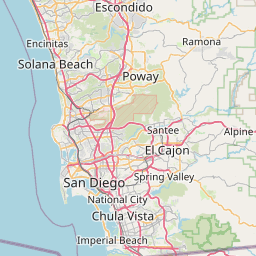
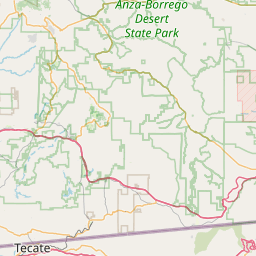
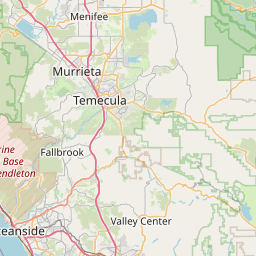
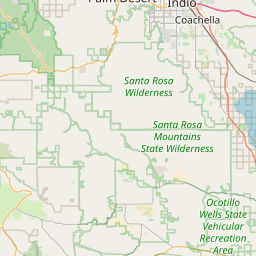



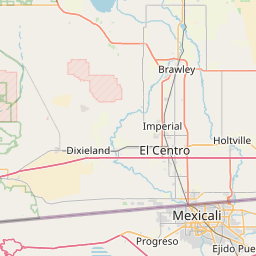
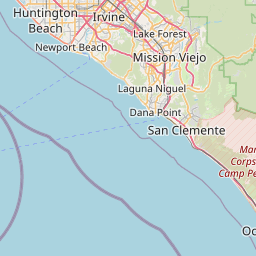
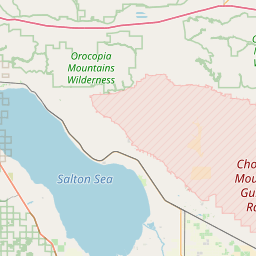


Dark Sky Park
Dark Sky Community
Telescope night
Pins from OpenStreetMap. The West Sycamore pin marks Stonebridge Parkway; the telescopes are at its east end.
See these on the full San Diego mapWant a real research telescope? See visiting Palomar Observatory. Making a weekend of the desert? Read Anza-Borrego's free open camping rules.
Is this still right?
We last checked this tip against its sources on November 14, 2026, and we re-research every tip on a schedule. Things in San Diego change, sometimes overnight.
Nature runs on its own schedule: seasons shift with the weather and the ocean, so treat the timing here as typical, not guaranteed.
This is general information, not legal, financial, tax, medical or safety advice.
KEEP READING
SOURCES
Everything above traces back to one of these. Follow them — if one has changed and we haven't, that's our mistake, not yours.
International Dark-Sky Association (via Anza-Borrego Desert Natural History Association) · July 31, 2009
Second IDSC worldwide; 88 miles from San Diego; 600,000-acre park
- PrimaryJulian, California
DarkSky International · Checked November 14, 2026
Julian designated International Dark Sky Community in 2021
California State Parks · January 19, 2018
Silver-tier Dark Sky Park; amber lighting; limited cell service
Borrego Springs Dark Sky Coalition (ABDNHA) · Checked November 14, 2026
Viewing tips; no stoplights; Leonids Nov 17-18; Nov 8 new moon
- PrimarySDAA Events
San Diego Astronomy Association · Checked November 14, 2026
Recurring public star party schedule and locations
- PrimaryStargazing at West Sycamore
City of San Diego · Checked November 14, 2026
Address, parking, third-Friday schedule, weather cancellations
U.S. Naval Observatory · Checked November 14, 2026
New and full moon dates (UTC), cross-checked with PyEphem and converted to Pacific
- BackgroundNew Moon of December 2026
TheSkyLive · Checked November 14, 2026
December 2026 new moon cross-check
Axios San Diego · April 13, 2026
Local dark-sky events and organizations
OpenStreetMap · November 14, 2026
Map pins