

Can you take seashells, rocks or tide pool animals from San Diego beaches?
Empty shells, usually yes: state wildlife law doesn't ban it. But nothing leaves a marine reserve like Cabrillo's tide pools, rocks stay put at state and City of San Diego beaches, and live animals need a fishing license.
- Empty shells
- Usually OK
- Fishing license age
- 16+
- Intertidal zone
- 1,000 ft
- Abalone closed until
- 2036
Outside marine reserves and Cabrillo NM
To collect live tide pool animals
Most tide pool animals off-limits
All ocean waters
The short version
- Outside marine protected areas, California Fish and Wildlife law doesn't prohibit collecting empty shells, CDFW has said.
- In state marine reserves such as Cabrillo SMR, Matlahuayl SMR and South La Jolla SMR, taking any living or geological resource is illegal.
- Cabrillo National Monument bans collecting any natural item, 'including living and dead organisms, shells or rocks.'
- State park rule 14 CCR §4307 bars removing sand, gravel or rocks; City code §63.0102 bars removing soil or rock from any City park, which includes beaches.
- Anyone 16 or older needs a fishing license to take live tide pool animals, and abalone is closed until at least April 1, 2036.
A shell in the pocket is one of the oldest beach souvenirs, and in most of San Diego it's fine. The catch is that the coast is a patchwork: state marine reserves, a national monument, state beaches and City beaches each have their own rule, and a few of them cover rocks and empty shells, not just live animals. We checked CDFW's tide pool and marine protected area regulations, the National Park Service, California State Parks rules and the San Diego Municipal Code on November 8, 2026.
What you can take, by where you're standing
| Empty shells | Rocks and sand | Live animals | |
|---|---|---|---|
| Marine reserve (Cabrillo, Matlahuayl, South La Jolla SMRs) | No | No | No |
| Cabrillo National Monument tide pools | No | No | No |
| State beach or park (e.g. Torrey Pines State Beach) | Not addressed in §4307; ask a ranger | No: sand, gravel and rocks | Only under fishing rules and license |
| City of San Diego beach | Not banned by state wildlife law | No soil or rock without City Manager's written permission | Only under fishing rules and license |
| Other cities' beaches | Check the city's ordinances | Check the city's ordinances | Only under fishing rules and license |
Empty shells
- Marine reserve (Cabrillo, Matlahuayl, South La Jolla SMRs)
- No
- Cabrillo National Monument tide pools
- No
- State beach or park (e.g. Torrey Pines State Beach)
- Not addressed in §4307; ask a ranger
- City of San Diego beach
- Not banned by state wildlife law
- Other cities' beaches
- Check the city's ordinances
Rocks and sand
- Marine reserve (Cabrillo, Matlahuayl, South La Jolla SMRs)
- No
- Cabrillo National Monument tide pools
- No
- State beach or park (e.g. Torrey Pines State Beach)
- No: sand, gravel and rocks
- City of San Diego beach
- No soil or rock without City Manager's written permission
- Other cities' beaches
- Check the city's ordinances
Live animals
- Marine reserve (Cabrillo, Matlahuayl, South La Jolla SMRs)
- No
- Cabrillo National Monument tide pools
- No
- State beach or park (e.g. Torrey Pines State Beach)
- Only under fishing rules and license
- City of San Diego beach
- Only under fishing rules and license
- Other cities' beaches
- Only under fishing rules and license
Marine reserves: leave everything
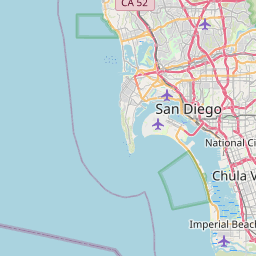
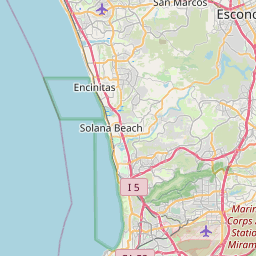
In a state marine reserve, the rule is: "It is unlawful to injure, damage, take, or possess any living, geological, or cultural marine resource." CDFW's page for Cabrillo SMR, off Point Loma, spells it out: no rocks, shells, fish or algae. The same no-take rule covers Matlahuayl SMR off La Jolla Shores and South La Jolla SMR off the Bird Rock and Tourmaline stretch. Boundaries are drawn by coordinates from the mean high tide line, so check CDFW's MPA pages before you go.
State and City beaches: rocks stay
- State parks and beaches: 14 CCR §4307 says "No person shall destroy, disturb, mutilate, or remove earth, sand, gravel, oil, minerals, rocks" in a state park unit.
- City of San Diego: Municipal Code §63.0102(c)(4) makes it unlawful to remove natural vegetation, soil or rock in any park without the City Manager's written permission, and the code defines park to include "all public beaches, beach areas, bays, and wetlands within the City."
- Empty shells elsewhere: asked about shell collecting, CDFW scientist Carrie Wilson said that unless a beach is in an MPA that prohibits it, "Fish and Wildlife laws don't prohibit shell collection," but a city ordinance might.
Live tide pool animals: license and limits
- License: anyone 16 or older needs a valid California sport fishing license; CDFW says Southern California also requires an Ocean Enhancement Validation.
- The 1,000-foot rule: under 14 CCR §29.05, most invertebrates can't be taken in tide pools or anywhere from the high tide mark to 1,000 feet out from the low tide mark.
- The exceptions: limpets, moon and turban snails, clams, mussels, rock scallops, octopuses, crabs, sand dollars, sea urchins and a few others. Sea stars aren't on the list.
- By hand only: CDFW says pry bars, knives and other tools can't be used to pull animals off rocks.
- Abalone: closed in all ocean waters until at least April 1, 2036.


Take nothing
State park rules
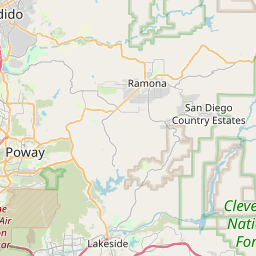
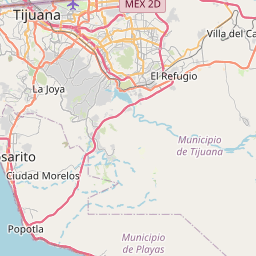
Approximate points. Reserve boundaries are set by coordinates; check CDFW's maps.
See these on the full San Diego mapWant to see the tide pools at their best? Check the best low-tide days this winter and our Cabrillo National Monument guide. Fishing from a pier instead? See fishing license rules for San Diego piers.
Is this still right?
We last checked this tip against its sources on November 8, 2026, and we re-research every tip on a schedule. Things in San Diego change, sometimes overnight.
Prices, fees, hours and rules change, often at the start of a year or season. Confirm with the official source linked below before you rely on a number.
This is general information, not legal, financial, tax, medical or safety advice.
SOURCES
Everything above traces back to one of these. Follow them — if one has changed and we haven't, that's our mistake, not yours.
- PrimaryVisit the Cabrillo Tidepools
National Park Service · Checked November 8, 2026
No collecting of shells, rocks or organisms; hours; no buckets or tools
California Department of Fish and Wildlife · Checked November 8, 2026
No take of living, geological or cultural resources, including rocks and shells
California Department of Fish and Wildlife · Checked November 8, 2026
No-take rule and boundaries off La Jolla
- PrimarySouth La Jolla SMR/SMCA
California Department of Fish and Wildlife · Checked November 8, 2026
No-take reserve; nearby access points including Tourmaline and Bird Rock
California Department of Fish and Wildlife · Checked November 8, 2026
1,000-ft intertidal rule, allowed species, 35 default bag limit, abalone closed until April 1, 2036
California State Parks · Checked November 8, 2026
No removing earth, sand, gravel or rocks in state park units
City of San Diego · Checked November 8, 2026
§63.0102(c)(4) soil and rock removal; park definition includes beaches (amended 2024)
Lake County News (CDFW release) · Published August 8, 2020
License for 16+, Ocean Enhancement Validation, no pry bars
Lake County News (CDFW column) · Published September 5, 2015
CDFW: Fish and Wildlife laws don't prohibit shell collection outside MPAs