
Jet noise from MCAS Miramar: which neighborhoods hear it, and what a buyer is told
Miramar's jets land from the east and mostly take off west toward the ocean, so Mira Mesa, Sorrento Valley and University City hear the most departures. The 65 dB contour reaches about 2 miles northwest of the base.
- Flight direction
- Westbound, almost always
- Most exposed
- Northwest of the base
- Noise complaints
- (858) 307-4277
- Buyer disclosure
- Notice of Airport in Vicinity
Mira Mesa, Sorrento Valley, University City
The short version
- Both Miramar runways are used almost exclusively westbound: jets arrive from the east and depart toward the coast
- In the 2020 AICUZ study, the 65 dB CNEL contour reaches about 2 miles northwest of the base and the 60 dB contour runs to the coast
- Miramar flies two F-35C squadrons now; the Marine Corps plans four F-35B and two F-35C squadrons by 2032
- California requires a "Notice of Airport in Vicinity" for homes in an airport influence area; nothing requires telling renters
- Noise complaints go to the base Operations Duty Officer at (858) 307-4277 or miramarmcas.odo@usmc.mil
MCAS Miramar is a working Marine Corps fighter base in the middle of the city, surrounded by neighborhoods that grew up around it. Whether you'll hear it from a given apartment depends mostly on one thing: which way the jets fly.
Which way the jets go
Miramar has two parallel runways, a 12,000-foot one on the north side and an 8,000-foot one on the south. According to the base's 2020 Air Installations Compatible Use Zones (AICUZ) study, both are used "almost exclusively" in the westerly direction. Arrivals come in from the east. Most fighter departures head west through a corridor the base calls Seawolf, out over the neighborhoods northwest of the base to the ocean; a second departure route, Lakee, turns northeast.
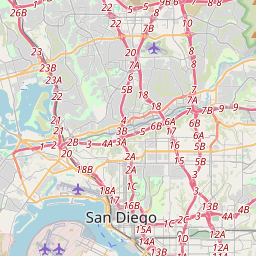
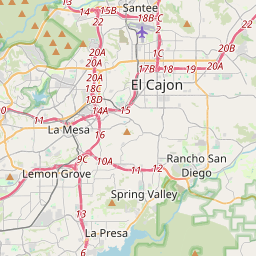
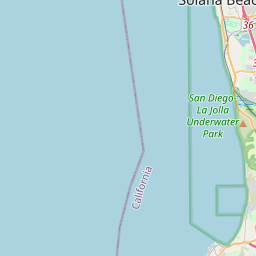
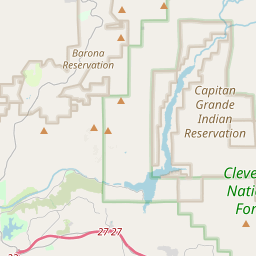
How Miramar's traffic flows
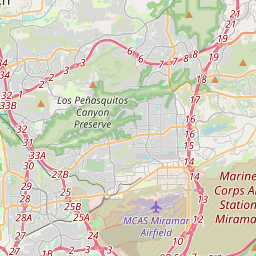
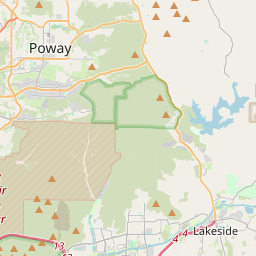
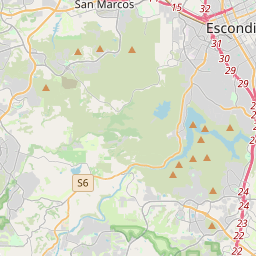
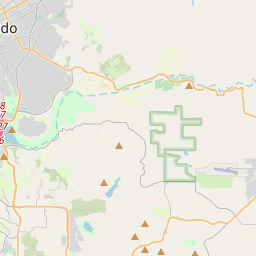
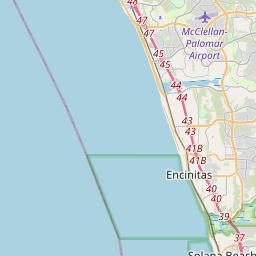
Base
Departure side (north and west)
North and east
South of the base
Pins are approximate neighborhood centers, not noise contour lines. To check a specific address, use the City of San Diego's airport overlay map or the Miramar ALUCP exhibits.
See these on the full San Diego mapHow loud, and where
Noise around airfields is mapped as CNEL, a 24-hour average that counts evening and nighttime noise more heavily. The 2020 AICUZ names the affected communities as Mira Mesa, Scripps Ranch and Poway to the north; Clairemont Mesa, Kearny Mesa and Tierrasanta to the south; Sorrento Valley and University City to the northwest and west; and Santee to the east. The update said the louder contours had "contracted somewhat in a few areas" compared with earlier maps.
Miramar noise contours, 2020 AICUZ
| Contour (CNEL) | Where it reaches |
|---|---|
| 70 dB and up | Mostly inside the base |
| 65 dB | About 2 miles northwest past the boundary; mostly on or near the base to the south and northeast |
| 60 dB | About 5 miles north, and the full length of the Seawolf corridor to the coast |
MCAS Miramar 2020 AICUZ study. Contours are averages: a single fighter departure is far louder than the CNEL figure for the neighborhood under it.
Averages hide the peaks. Expect the loudest days around America's Air Show, which ran September 25–27 in 2026, when performers rehearse in the days beforehand.
The F-35s
Miramar's F/A-18 Hornets are being replaced by F-35s. The first F-35C arrived in January 2020; squadron VMFA-314 reached initial operating capability that year and VMFA-311 followed on July 31, 2024. The 2020 AICUZ plans for four F-35B and two F-35C squadrons by 2032. You'll often hear that the F-35 is louder. We couldn't find that finding in the environmental documents, so we're not repeating it. Residents did report a distinctive howling sound during F-35C carrier-landing practice in 2020.
What a buyer is told, and a renter isn't
California requires a "Notice of Airport in Vicinity," warning of "noise, vibration, or odors," for property in an airport influence area (Business and Professions Code §11010), and a natural hazard disclosure report must say whether the home is in one (Civil Code §1103.4). In the City of San Diego, the Airport Land Use Compatibility Overlay Zone itself counts as notice of overflight (Municipal Code §132.1525), and new homes in the overflight area carry a recorded notice on title. We found nothing that requires a landlord to tell a renter, so visit a rental at different times of day before you sign. More: California's natural hazard disclosure and, for rents, gates and schools near the base, living near MCAS Miramar.
How to file a noise complaint
- 01
Note the details
The time, where you were, and the aircraft type if you can tell.
- 02
Call or email the Operations Duty Officer
(858) 307-4277 or miramarmcas.odo@usmc.mil, with your name, address and phone number. There's no web form.
- 03
For flight-operations questions
The Community Plans and Liaison Office is at (858) 307-6603.
KEEP READING
SOURCES
Everything above traces back to one of these. Follow them — if one has changed and we haven't, that's our mistake, not yours.
U.S. Marine Corps
Runways, flight tracks, contours, affected communities, F-35 plan
- PrimaryNoise complaints
MCAS Miramar · Checked October 7, 2026
San Diego County Regional Airport Authority
Recorded overflight notification
State of California
- PrimaryCivil Code §1103.4
State of California
City of San Diego
Military Times · July 31, 2024
University City News · 2020
CNN · December 9, 2008
NBC 7 San Diego · September 2026