
How to see San Diego's glowing blue waves (bioluminescence)
Wait for a red tide, then go to a dark beach at least two hours after sunset. The glow comes from a plankton called Lingulodinium polyedra, and Scripps says nobody can yet predict when it will bloom or how long it will last.
- What glows
- Lingulodinium polyedra
- When to look
- 2+ hrs after sunset
- Can it be forecast?
- Not yet
- Big recent blooms
- 2011, 2013, 2018-20
A dinoflagellate plankton
Per Scripps
Scripps: tools still in development
Plus a huge one in 1995
The short version
- The glow is made by a dinoflagellate, Lingulodinium polyedra, about 35 micrometers across, that flashes blue when waves or feet disturb it (Scripps Oceanography).
- By day the same bloom looks like reddish-brown water: that 'red tide' is your cue to go back after dark.
- Scripps recommends a dark beach at least two hours after sunset, and says visibility is never guaranteed.
- Blooms have lasted days (May 2018), one to two weeks (September 2013, June 2019) or more than a month (October 2011).
- Scripps says local blooms don't produce the toxin yessotoxin and there's no public health warning for swimming, though some people are sensitive to it.
Every few years the surf off San Diego starts glowing electric blue at night, dolphins leave neon trails, and half the county posts the same video. It's real, it's free, and it's unpredictable. Here's how to know it's happening and how to give yourself the best shot at seeing it, based on what Scripps Institution of Oceanography researchers have published about the local blooms.
What's actually glowing
The light comes from Lingulodinium polyedra, a single-celled dinoflagellate about 35 micrometers across. When a wave, a paddle or your foot jostles it, it flashes blue, which Scripps describes as a predator-avoidance trick. A big enough bloom tints the water reddish-brown by day: that's the red tide. Scripps links these blooms to relaxed upwelling and a stratified, layered ocean, not simply to runoff.
How long past blooms lasted
| Bloom | How long it lasted |
|---|---|
| October 2011 | One month or more |
| September 2013 | One to two weeks |
| May 2018 | Days |
| June 2019 | One to two weeks |
Scripps Institution of Oceanography, 'Everything You Wanted to Know About Red Tides.' Scripps also lists big blooms in 1995 and 2020.
How to catch it
- 01
Watch for the daytime clue
Brownish-red water near shore is the bloom. If local news or friends start reporting a red tide, the glow usually follows at night.
- 02
Wait for real darkness
Scripps says the glow shows best on a dark beach at least two hours after sunset. Arriving at sunset and leaving at dusk is the most common way to miss it.
- 03
Pick the darkest moon
Moonlight washes it out. In fall 2026 the new moons fall around October 10 and November 9, the darkest nights of each month.
- 04
Get away from lights
Pier lamps, streetlights and hotel glow kill the effect. Long, dark stretches of sand work better than busy boardwalks.
- 05
Disturb the water
The plankton only flash when agitated. Breaking waves do it for you; stomping in the wet sand at the edge makes your footprints spark.
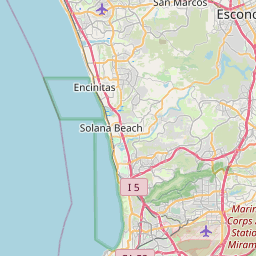
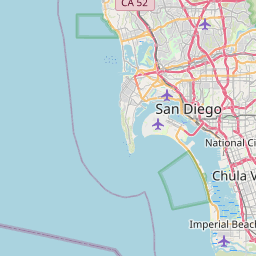
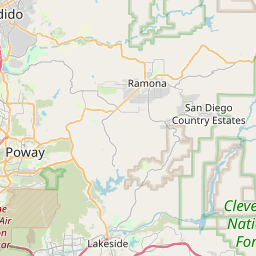
North of La Jolla
North County
Point Loma
Coronado
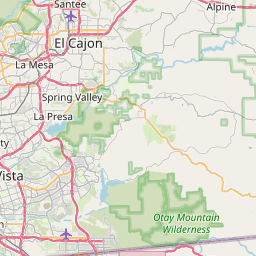
Pins are approximate and are suggestions for darker shoreline, not bloom locations: a bloom can be patchy along the coast. Scripps' 2018 bloom ran from La Jolla to Encinitas. Check parking hours before you go: many state beach lots close at night.
See these on the full San Diego mapWant something reliable instead of lucky? The best tide pool days this winter are predictable to the minute.
KEEP READING
SOURCES
Everything above traces back to one of these. Follow them — if one has changed and we haven't, that's our mistake, not yours.
Scripps Institution of Oceanography, UC San Diego · Checked October 6, 2026
Organism, causes, bloom history and durations, viewing and safety, no forecast yet
Scripps Institution of Oceanography, UC San Diego · May 9, 2018
2018 bloom from La Jolla to Encinitas; viewing tips